










Health Care Advice for Chronic Diseases
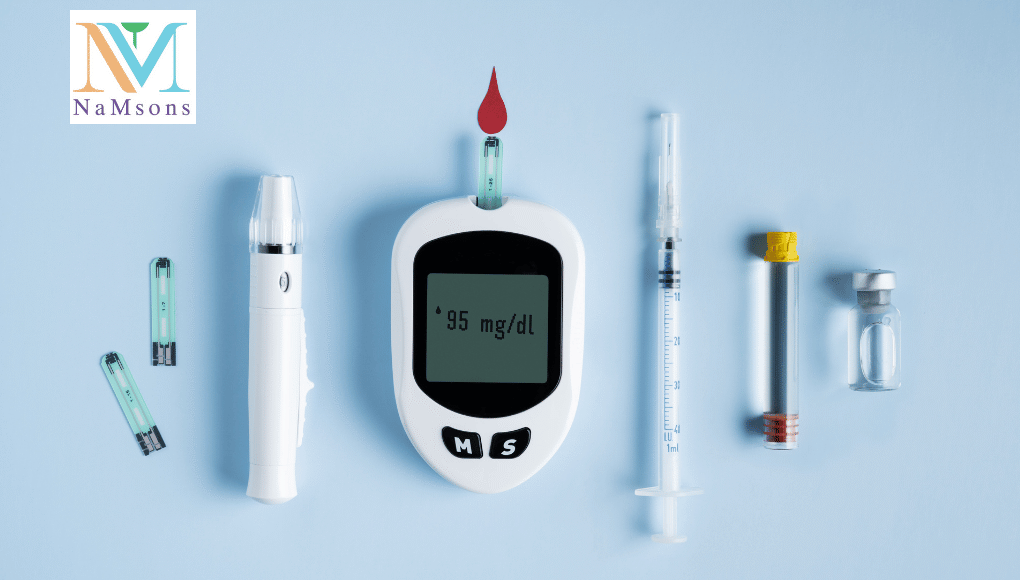
A Practical Guide for Diabetes, High Blood Pressure & High Cholesterol
Health care advice:
Chronic health conditions such as diabetes, hypertension (high blood pressure), high cholesterol (hyperlipidemia), obesity, and heart disease are becoming increasingly common in today’s lifestyle-driven world.
These conditions usually develop slowly and require long-term care, lifestyle modifications, and consistent medical supervision rather than short-term treatment.
The good news is that with healthy food choices, regular physical activity, proper medication, and positive daily habits, people living with chronic diseases can enjoy a healthy, active, and productive life.
What Are Chronic Health Conditions?
Chronic diseases are long-lasting health conditions that often require daily management. Many of these conditions are interconnected and can influence one another.
Common Links Between Chronic Diseases
- Diabetes increases the risk of heart disease
- High blood pressure and high cholesterol often occur together
- Obesity significantly raises the risk of diabetes and hypertension
Early diagnosis, awareness, and regular medical follow-ups play a crucial role in preventing serious complications.
Simple Health Care Tips for Managing Chronic Diseases
1. Healthy Eating Is the Foundation
A balanced and nutritious diet helps control blood sugar, blood pressure, and cholesterol levels.
For Diabetes
- Choose foods with a low glycemic index
- Control portion size and carbohydrate intake
- Increase fiber intake from vegetables, whole grains, and legumes
For High Blood Pressure
- Reduce salt intake
- Avoid processed and packaged foods
- Eat fruits and vegetables rich in potassium
For High Cholesterol
- Avoid fried and fatty foods
- Choose healthy fats such as olive oil and nuts
- Increase fiber intake with oats, fruits, and vegetables
General Dietary Advice
- Drink plenty of water
- Limit sugar and sugary drinks
- Prefer home-cooked meals over fast food
2. Stay Physically Active
Regular physical activity improves overall health and helps manage chronic conditions effectively.
- Walk, cycle, or do light exercise for 30 minutes daily
- Aim for physical activity at least 5 days a week
- Start slowly if you are new to exercise
Tip: Always consult your doctor before starting a new exercise routine.
3. Take Medicines Regularly
Medicines play a vital role in keeping chronic diseases under control.
- Take medications exactly as prescribed
- Never stop medication without medical advice
- Monitor blood sugar, blood pressure, and cholesterol regularly
Skipping or misusing medicines can lead to serious health complications.
4. Maintain a Healthy Body Weight
Excess body weight can worsen chronic conditions.
- Even small weight loss can significantly improve health
- Avoid crash diets
- Follow a balanced, sustainable eating plan
5. Manage Stress and Sleep Well
Stress and lack of sleep can increase blood sugar levels and blood pressure.
- Practice relaxation techniques such as deep breathing or meditation
- Get 7–8 hours of quality sleep every night
- Seek professional help if stress or anxiety persists

6. Avoid Harmful Habits
Certain lifestyle habits increase the risk of complications.
- Quit smoking and tobacco use
- Limit or completely avoid alcohol
- Reduce intake of junk food and sugary beverages
These changes significantly improve heart and metabolic health.
7. Regular Health Checkups Are Essential
Routine medical checkups help in early detection and prevention of complications.
- Blood sugar and HbA1c for diabetes
- Regular blood pressure monitoring
- Lipid profile for cholesterol levels
- Kidney, eye, and heart evaluations
Early detection saves lives and reduces long-term treatment costs.
Living a Healthy Life with Chronic Diseases
Chronic diseases can be managed successfully with discipline, awareness, and professional medical care. A healthy lifestyle combined with appropriate treatment helps prevent complications and improves overall quality of life.
Remember: Small, consistent daily steps toward better health can create a big and lasting impact.
Also Read Modern Health Challenges and Their Solutions
By: NaMsons research team
FAQ’s:
What are common chronic health conditions and how do they interact?
Common chronic health conditions include diabetes, hypertension, high cholesterol, obesity, and heart disease, which often develop together and influence each other, increasing health risks.
How can I effectively manage my chronic diseases through lifestyle modifications?
Effective management involves healthy eating, regular physical activity, medication adherence, maintaining healthy body weight, managing stress, avoiding harmful habits, and routine health checkups.
What dietary changes are recommended for managing diabetes, high blood pressure, and high cholesterol?
For diabetes, choose low glycemic index foods, control portions, and increase fiber intake; for high blood pressure, reduce salt and processed foods, and eat potassium-rich fruits and vegetables; for high cholesterol, avoid fried foods, select healthy fats, and increase fiber intake.
Why is regular physical activity important for people with chronic diseases, and how much exercise is recommended?
Regular physical activity improves overall health and helps control chronic conditions. It is recommended to walk, cycle, or do light exercise for 30 minutes daily, at least five days a week, starting slowly if new to exercise.
What is the significance of routine health checkups for managing chronic conditions?
Routine health checkups facilitate early detection and prevention of complications by monitoring blood sugar, blood pressure, cholesterol, and evaluating kidney, eye, and heart health.